Choosing the Right Air Purifier for Your Home
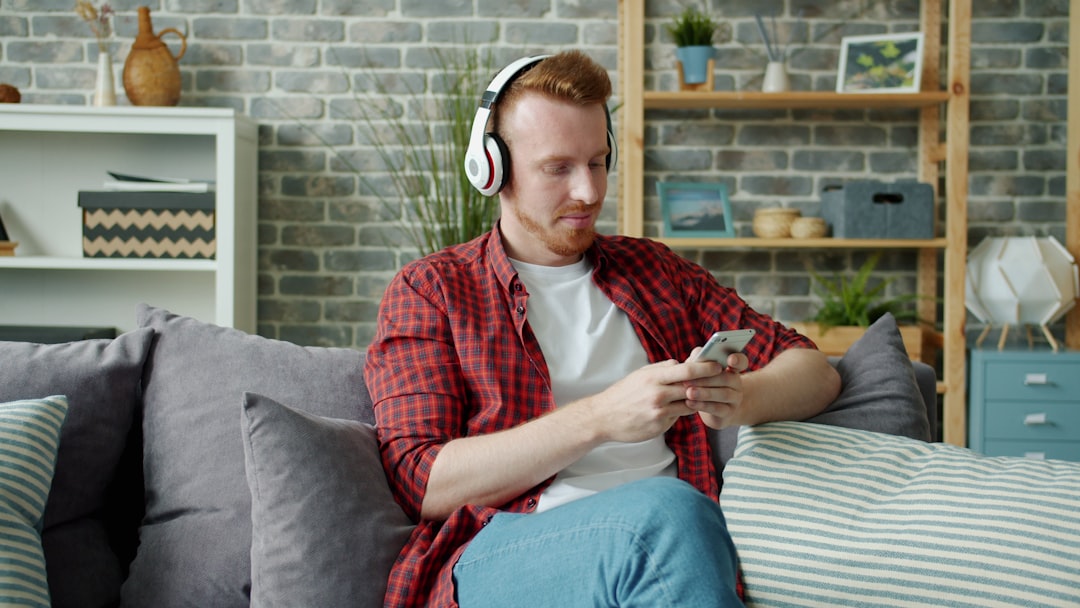
Indoor air quality plays an important role in overall comfort and well-being. Air purifiers are designed to remove airborne particles, allergens, and odors from indoor environments, helping improve the air you breathe.
Selecting the right air purifier requires evaluating your specific indoor conditions and understanding how different features and technologies perform. This guide outlines the key factors to consider when choosing an air purifier that meets your household requirements.
Understanding Filtration Technology
The effectiveness of an air purifier largely depends on its filtration system. Different filter types target different categories of pollutants.
HEPA Filters
High-Efficiency Particulate Air (HEPA) filters are widely recognized for capturing fine airborne particles. A true HEPA filter is designed to remove at least 99.97% of particles as small as 0.3 microns, including dust, pollen, mold spores, and pet dander.
Activated Carbon Filters
Activated carbon filters are primarily used to absorb odors and volatile organic compounds (VOCs). They are especially effective in kitchens, near pet areas, or in spaces where chemical fumes or smoke may be present. These filters often complement HEPA filtration systems.
Pre-Filters
Pre-filters serve as the first line of defense by capturing larger particles such as hair and coarse dust. By preventing these particles from reaching the main filter, pre-filters help extend the lifespan of HEPA and carbon filters.
Room Size and Clean Air Delivery Rate (CADR)
For an air purifier to work effectively, it must be appropriately sized for the room. The Clean Air Delivery Rate (CADR) measures how quickly an air purifier can remove pollutants such as smoke, pollen, and dust from a specific room size.
When choosing a purifier, compare its CADR rating with the square footage of the room where it will be used. Higher CADR values indicate faster and more efficient air cleaning in larger spaces.
Using an air purifier with a CADR rating lower than recommended may result in insufficient air circulation and reduced purification performance.
Noise Level Considerations
Air purifiers use internal fans to circulate air through the filters, which can generate varying levels of noise depending on fan speed and design. Noise levels are generally measured in decibels (dB).
For bedrooms or quiet living spaces, consider models that operate at lower decibel levels, particularly on low or medium fan settings. Many air purifiers offer a sleep mode or night mode that minimizes noise while maintaining basic air filtration.
Maintenance and Operational Requirements
Regular maintenance is necessary to ensure long-term efficiency. Filter replacement is the most common maintenance requirement, and replacement intervals vary based on usage frequency and indoor air conditions.
When evaluating models, consider the cost, availability, and replacement frequency of filters. Some air purifiers include washable or reusable pre-filters, which can reduce ongoing maintenance expenses.
Energy consumption is another important consideration, especially for units that operate continuously. Air purifiers with energy-efficient certifications typically consume less power while maintaining effective performance.
Additional Practical Features
Beyond core filtration capabilities, additional features can enhance usability and convenience.
- Air quality sensors: Automatically adjust fan speed based on detected pollutant levels
- Timers and auto-off functions: Allow scheduled operation and energy savings
- Portability: Lightweight designs make it easier to move the purifier between rooms
Conclusion
Choosing the right air purifier involves more than selecting a popular model. Understanding filtration technologies, matching CADR ratings to room size, evaluating noise levels, and considering maintenance requirements are all essential steps.
By carefully assessing these factors, you can select an air purifier that effectively improves indoor air quality and aligns with your household needs.